Our submission to the Senate Select Committee on Intergenerational Housing Inequity — April 2026
Read the full submission (PDF) here.
Why we wrote it
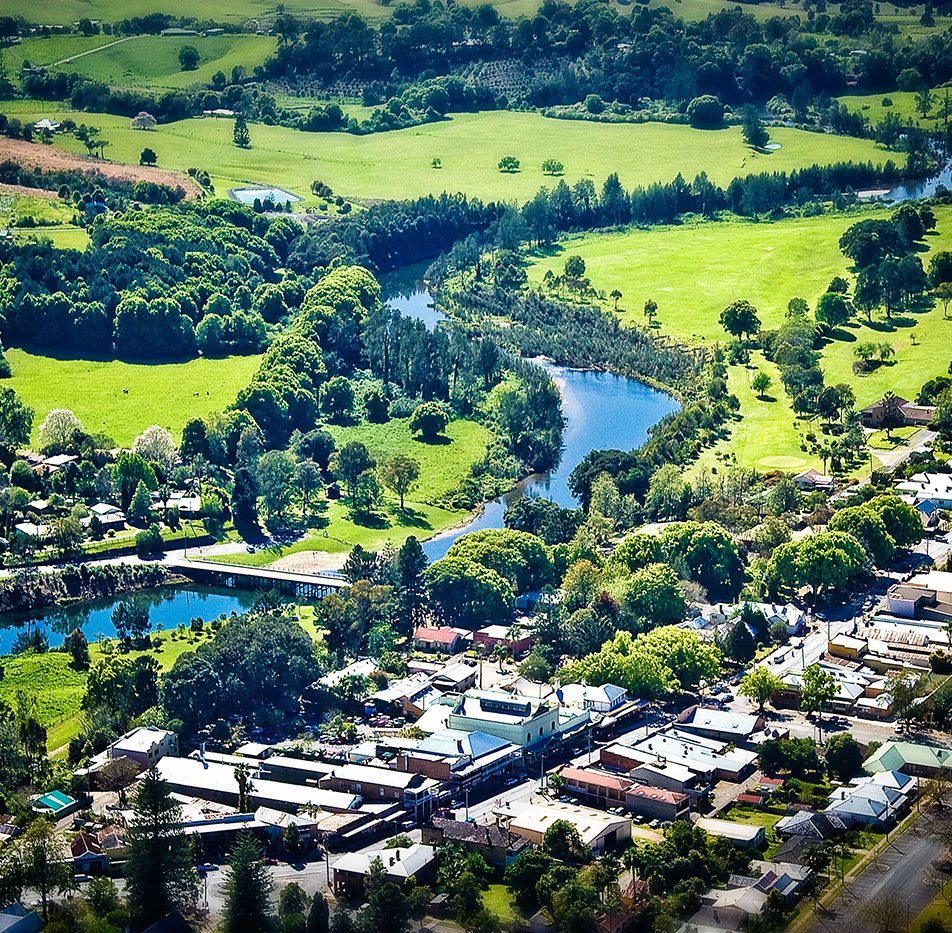
Housing inequity isn’t an abstract policy debate in Bellingen. It’s the people you pass in the main street — the nurse who’s moved three times in two years, the teacher who can’t afford to stay, the woman in her seventies who has never owned a home and doesn’t know where she’ll live next year.
Our 2025 Housing Needs Mapping project brought together almost 200 local survey responses, census data, workforce conversations, local research on homelessness, and Gumbaynggirr-led yarning. It told us clearly: the system is quietly sorting people by generation and by tenure, and locals on local wages can no longer compete for local homes.
The national debate about housing still mostly sounds like it’s about young people trying to buy in the capitals. That’s part of the story — but it misses a lot. Our submission is a place-based account of what intergenerational housing inequity looks like in one regional community, and, we suspect, in many others.
What we told the Senate
In short: what used to be a generational ladder is becoming a generational wall.
Older, wealthier buyers are purchasing outright with money made elsewhere. In 2023, more than half of all property purchases in the Shire were cash. Local first-home buyers are outbid, and now take an average of 15 years to save a deposit. The people pushed into renting are stuck in what locals call the “Bellingen Shuffle” — a loop of short-term leases, rent hikes and forced moves that wears people down and quietly breaks up communities.
The group most exposed isn’t the one the national debate assumes. First Nations households, young families, and the essential workers we rely on for healthcare and education are also being priced out.
And here’s the bit that makes it properly intergenerational: the same jobs that once delivered secure housing to an older generation of key workers no longer do so for the younger ones. Teachers, nurses and other workers on a local wage can’t afford to buy or rent locally. The stability their parents could build isn’t stability they can pass on.
What we’re asking for
Our recommendations come in two groups — fixing the system, and investing in solutions.
Fix the system
- Review the tax settings that reward housing wealth over housing access (capital gains tax discount, negative gearing, and the concessional treatment of primary residences on transfer).
- Legislate stronger renter protections — limits on no-grounds evictions, longer leases, rent-rise controls — so families can stop packing and start planning.
- Regulate short-term holiday letting so local homes stay local.
Invest in solutions
- Rebalance the national affordable housing pipeline so regional places like ours aren’t invisible, with dedicated funding for the water, sewer and road infrastructure that makes regional projects possible.
- Support the emerging Community Land Trust sector, including our own Waterfall Way Community Land Trust, so permanently affordable housing can scale.
- Resource self-determined Aboriginal and First Nations housing pathways as a distinct stream within national housing policy.
Why it matters
Housing in regional Australia is no longer a by-product of a healthy economy. It’s the precondition for one. A community can’t keep its nurses, its teachers, its older residents and its young families without homes they can afford.
The quiet redistribution of housing security — away from working people and towards those already holding housing wealth — isn’t inevitable. It’s the product of policy. Policy built it, policy can remake it.
Read the full submission (PDF) here.
Got a story to share, or want to help?
If any of this is familiar — if you’re packing for your fourth rental in three years, if you’re a service trying to house your staff, or if you’re a landholder with capacity to help — we’d love to hear from you.
Email rose@housingmatters.org.au.